Five facts about aquavit
Aquavit has a long and rich history in the Oslo region, and visiting here, you can both learn more about the drink’s historic origins and see how it’s currently being used in new and innovative ways.
Below we give you five great facts about aquavit, paired with exciting aquavit-related sites and events from all across the region.
1. Aquavit production is sustainable
Back in the days, overproduction of grains prompted farmers in the Oslo region to start growing potatoes instead.
This led to a sustainable practice where the potatoes themselves were used for food and the potato peels distilled for spirits, which in turn yielded a byproduct that were fed to the cows improving their milk production (no wonder aquavit and cheese go so well together).

Modern aquavit production still uses ingredients that would otherwise be discarded: inedible potatoes, peels and other leftovers.
At Atlungstad Distillery, the world’s only historic potato distillery still in operation, you can join a guided tour and learn about how aquavit is being made. The world's largest producer of aquavit today is also situated in the region, right north of Oslo. Here you can visit Destilleriveien 11 and see how aquavit production has developed over the course of the last 100 years.
2. «Norwegian Aquavit» is a protected name
“Norwegian aquavit” is a protected name, on par with the French Cognac. It must be made of potato spirits distilled in Norway from minimum 95% Norwegian potatoes, and aged in oak barrels for at least six months. It must also contain caraway or dill seeds.
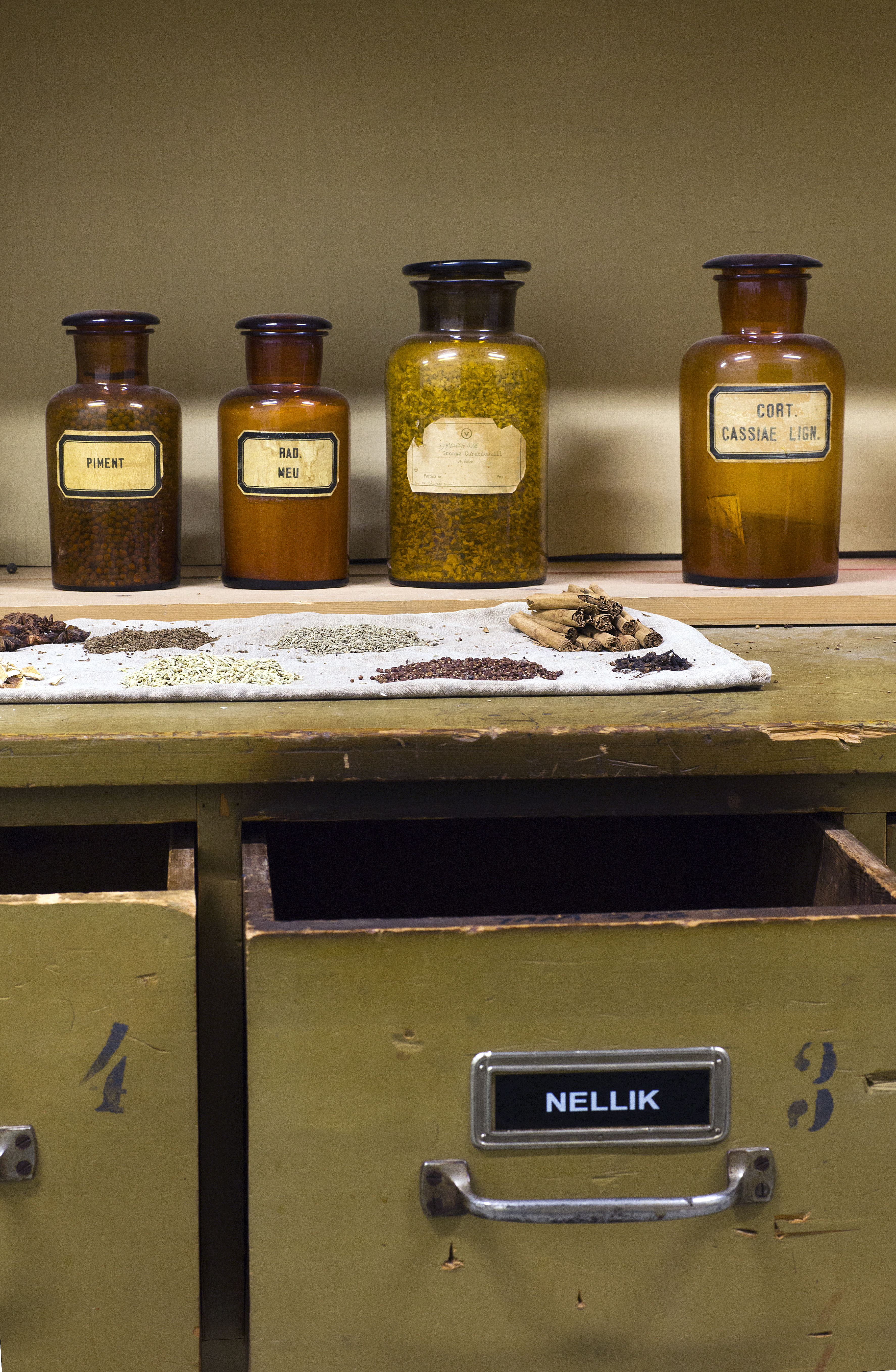
3. Caraway, aquavit’s signature spice, can cure unfaithful husbands
The spices used in aquavit distillation were originally chosen based on their medical effects on the body. People thought that red plants were good for the blood, heart-shaped leaves good for the heart and so forth. Carraway, though, was thought to exhibit a more interesting effect: It could purportedly cure unfaithful husbands ...

Carraway is the most salient spice in aquavit, and is indigenous to the Oslo region.
4. Aquavit has become a trendy drink for all occasions
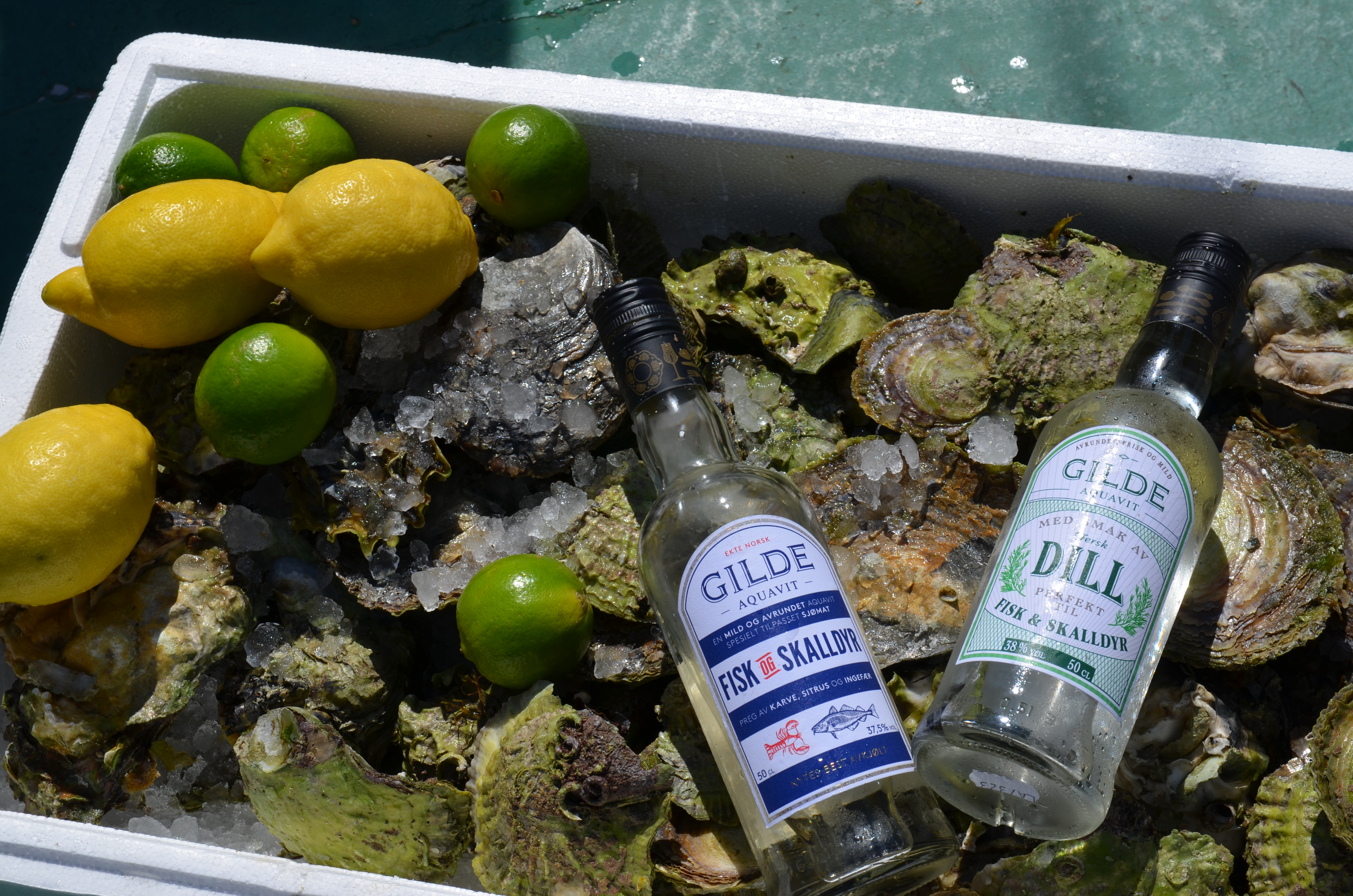
Traditionally, aquavit was enjoyed ice-cold at Christmas time, but nowadays, it's being served year-round. Bartenders both in Norway and abroad have taken an affinity to aquavit as a drink ingredient, and you can find auqavit that's suitable for nearly any meal or occasion.
Oslo is the heart of the region's nightlife, and places like Himkok and Svanen are good spots to explore modern and innovative uses of the drink. You may also join Oslo Guidebureau on a aquavit tour of the city.
If you’d like to try aquavit perfectly paired with food, the Oslo region boasts many eateries that are certified experts in aquavit pairing.
5. Aquavit is only sold in a strange store called "Vinmonopolet"
Over the course of the 19th century, people became increasingly aware of the damaging effects of alcohol, in particular the social problems of poverty and domestic violence that followed in its wake.
In 1916, the sale of hard liquor was prohibited, except for medical use. In 1923, no fewer than 1,8 million prescriptions for liquor were issued. You can learn more about this in the performance En Akevisitt ('an aqua-visit'), a unique one-man show that takes place at the historic distillery buildngs at Løiten Brenderi.
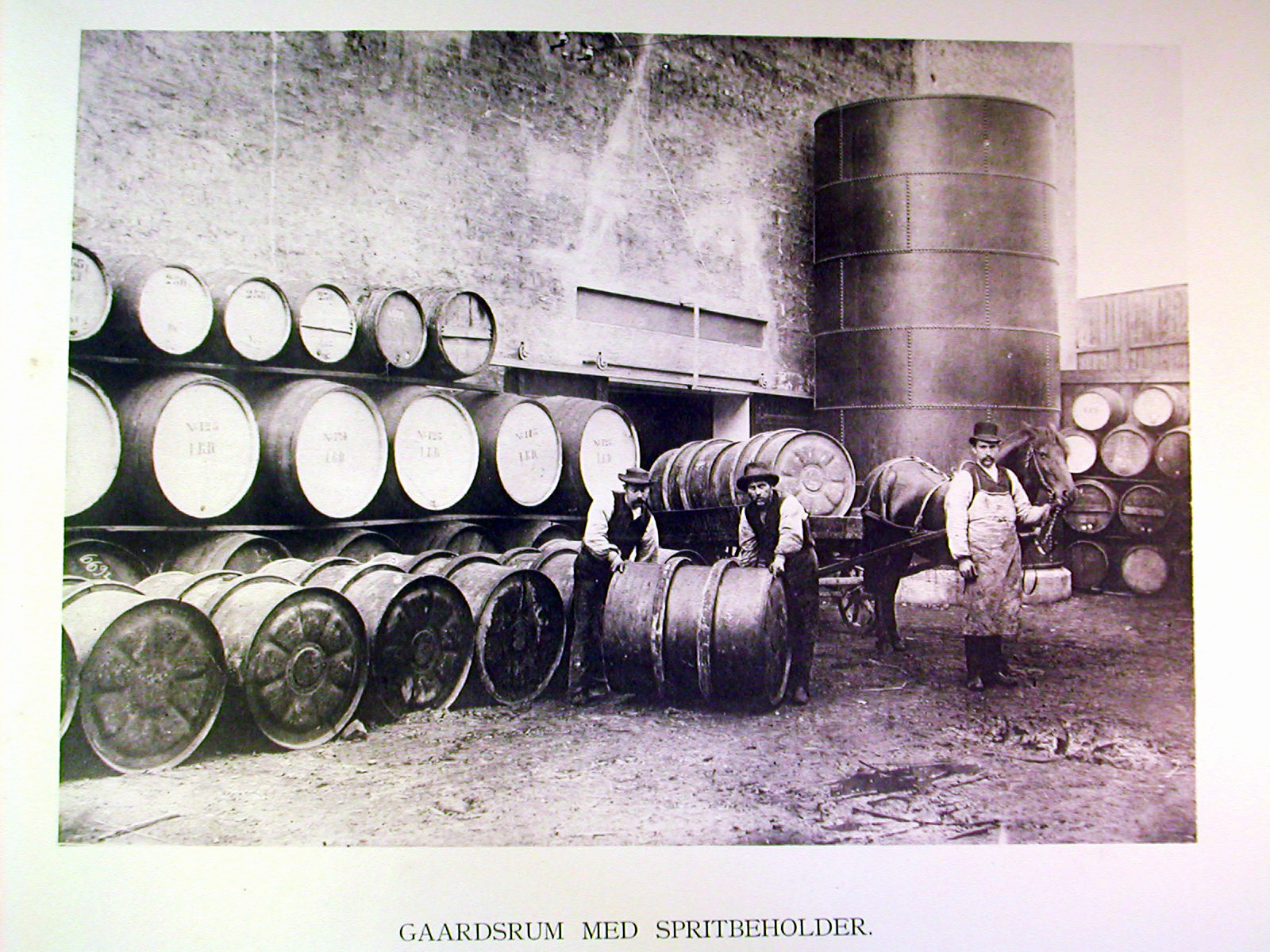
The prohibition era is now behind us, but Norway still limits the sale of liquor, including aquavit, to a chain of specialist stores known as "Vinmonopolet" ('the wine monopoly').
Curious to explore aquavit in the Oslo region? The map below shows the way to aquavit-certified restaurants, bars, destilleries, historical sites related to aquavit production and more.